Brick vs. Stone for Rockland County Homes: Ask a Masonry Contractor
Choosing between brick and stone is one of the most common questions Rockland County homeowners ask before starting a masonry project, and understanding the differences can save time, money, and regret. Both materials have deep roots in this region, and each brings genuine strengths depending on your goals, your home's existing style, and the realities of living in the Hudson Valley. This guide breaks down what a seasoned masonry contractor considers when helping homeowners in communities like Airmont, NY, make that call.
A Brief Look at Both Materials
Brick and natural stone are both proven choices for residential masonry. Brick is a manufactured unit made from fired clay, offering consistent size, color, and texture. Stone is a naturally occurring material that may include bluestone, fieldstone, limestone, or granite, and each type carries its own character and performance profile. In Rockland County, both materials show up on homes regularly, from classic brick ranch-style houses in Suffern to fieldstone accent walls common in older neighborhoods near West Haverstraw.
Haverstraw, right here in Rockland County, was once the brick-making capital of America, with brickworks operating from the 1700s to the 1940s. That history means brick is woven into the DNA of homes throughout this area. Stone, on the other hand, draws from the region's natural geology, and the Hudson Valley has long had abundant native stone available for construction.
How Does the Hudson Valley Climate Affect Each Material?
The Hudson Valley climate can be hard on outdoor masonry. Winters bring repeated freeze-thaw cycles that test any material's durability. An experienced masonry contractor will factor local climate conditions into every material recommendation.
In the Hudson Valley, temperatures cross the freezing point dozens of times between November and March. Each crossing pushes water deeper into any crack, widening it a little more. That is why small mortar gaps in September often look noticeably worse the following spring.
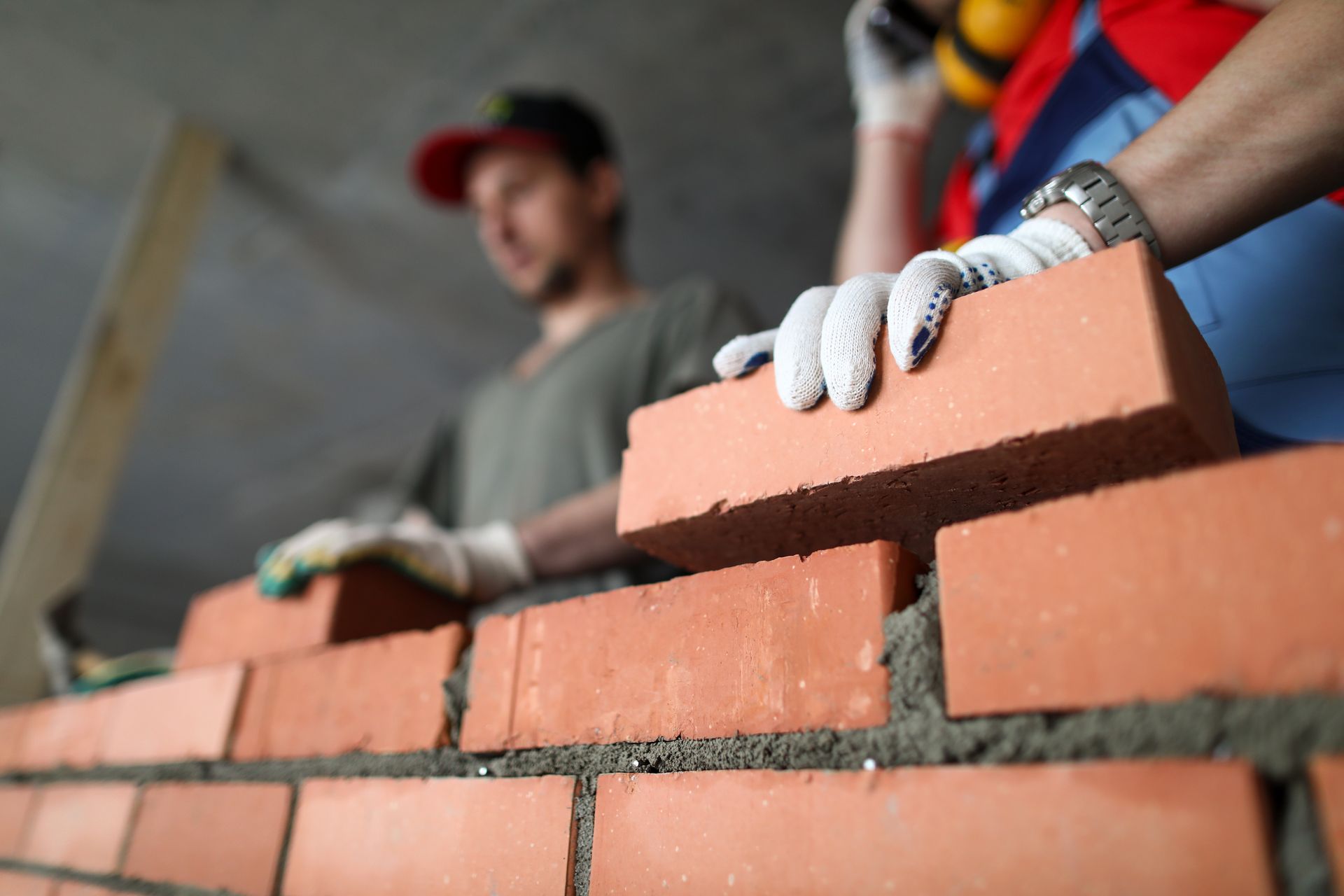
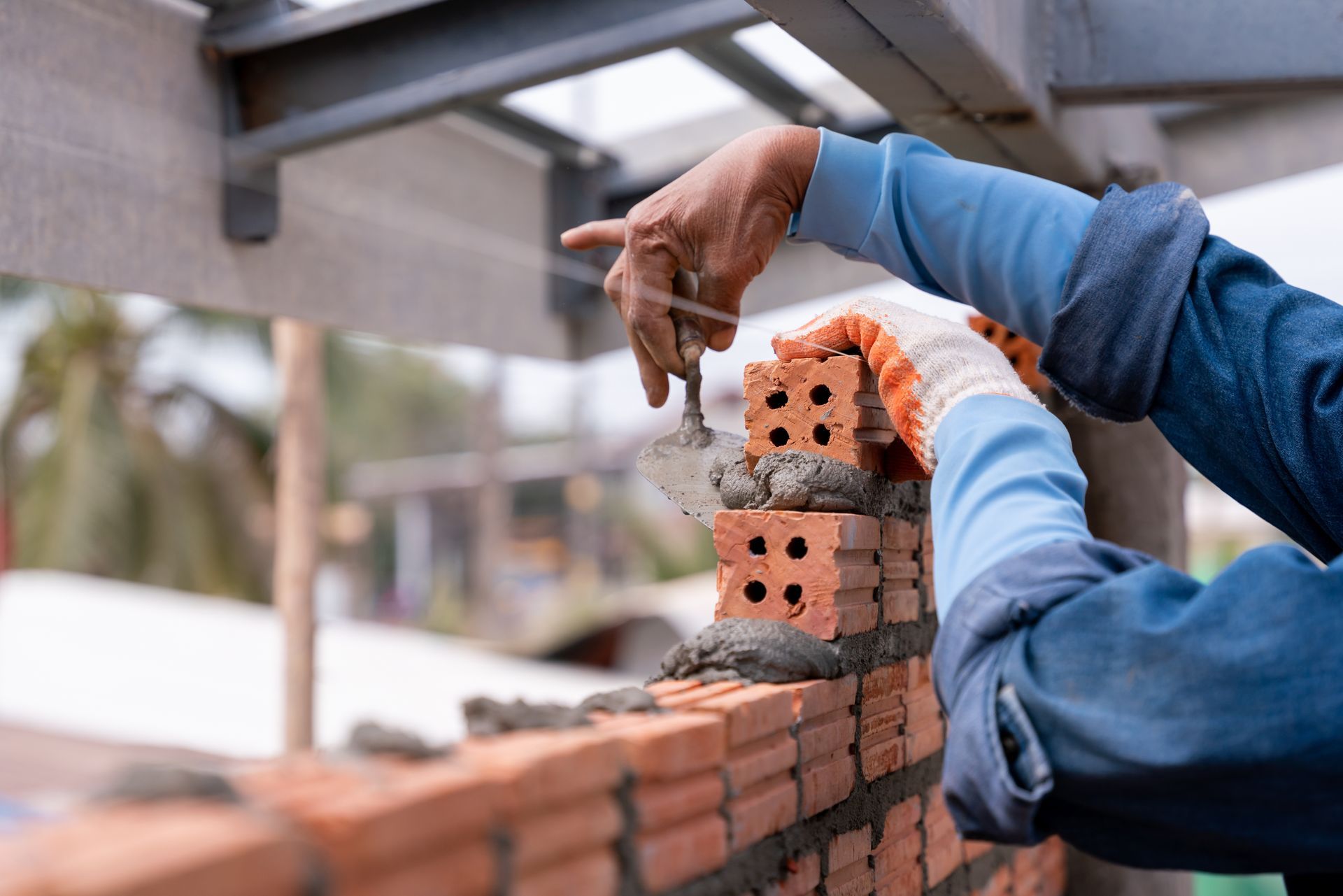
Brick holds up well when it is properly installed and maintained, but the mortar joints are often the weak link. Brick structures may need repairs from time to time because the mortar can begin to crumble due to moisture or because it was made from an inferior product. Tuckpointing, which means replacing deteriorated mortar, is a common maintenance task for brick homes throughout Airmont, NY, and surrounding towns.
Dense natural stone can be highly resistant to freeze-thaw stress. Over a Hudson Valley winter, freeze-thaw cycles happen dozens of times. Quality dense natural stone resists that cycle because it absorbs little water and sheds it fast. However, poorly chosen or porous stone can crack just as readily as brick if water is allowed to penetrate and freeze.
The takeaway: both materials can perform well in Rockland County's climate, but installation quality and material selection matter enormously. A skilled masonry contractor understands which stone and mortar combinations hold up best through this region's seasonal extremes, and consulting one before purchasing materials can prevent costly mistakes down the road.
Curb Appeal and Style Considerations
Brick and stone create very different visual impressions, and the right choice often comes down to your home's existing architecture and neighborhood context.
Brick tends to offer a more uniform, traditional look. It suits colonial, ranch, and Tudor-style homes, which are common across communities like Airmont and Nanuet. The consistent color and shape of brick can make a home feel tidy and well-defined.
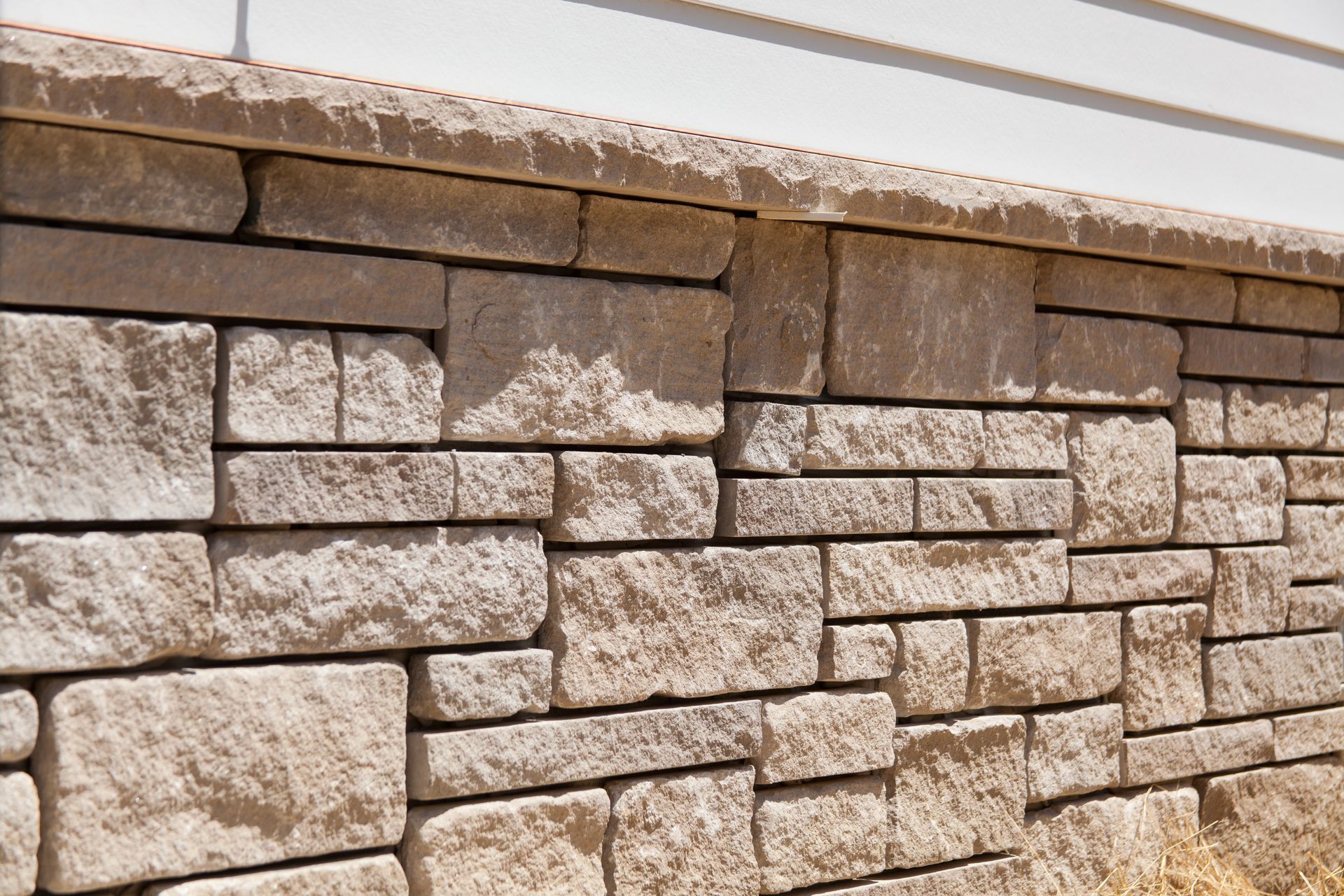
Stone lends a more organic, natural feel. It can range from the rough charm of fieldstone walls to the smooth elegance of cut bluestone. Stone construction in Rockland County often utilizes natural flagging, bluestone, or high-end concrete pavers that mimic the look of natural stone. Homeowners in wooded or hillside neighborhoods, like parts of Suffern or West Haverstraw, often find that stone blends more naturally with the surrounding landscape.
If your home already has brick elements, such as an existing chimney or foundation, adding more brick typically creates a cohesive look. Similarly, if your property has natural stone walls or retaining structures, extending that stone theme can tie the whole yard together. Consulting a masonry contractor early in the planning process helps ensure new work complements what is already on your property.
Which Projects Suit Brick vs. Stone?
The application matters just as much as the aesthetic. Here are common uses for each material on Rockland County residential properties:
Brick works well for:
- Chimney construction and repair.
- Exterior wall accents and veneers.
- Formal walkways and steps.
- Barbecue pits and outdoor fireplaces.
Stone works well for:
- Retaining walls on sloped properties.
- Patio and pool deck surrounds.
- Natural-looking garden walls and borders.
- Stairways through wooded or landscaped yards.
Many local projects in towns like Airmont, West Haverstraw, and Pomona actually use both materials together. A bluestone patio alongside a brick fire pit, for example, combines the strengths of each.
What About Maintenance Over Time?
Brick typically requires more regular mortar maintenance, especially in a climate with heavy seasonal temperature swings. Stone structures with dry-stack or minimal mortar construction can sometimes go longer between maintenance visits, though any cracked or shifted stones should be addressed promptly to prevent further movement.
Most routine repairs such as tuckpointing and brick patching do not require a permit, but structural work on foundations or chimneys typically does in Rockland County. It is always worth confirming permit requirements with your local municipality before beginning any structural masonry work.
A qualified masonry contractor serving Airmont, NY, can assess your specific property, existing structures, and project goals before recommending one material over the other. There is rarely a universal right answer, but there is almost always a better fit for your particular situation.
Getting the Right Advice for Your Home
Both brick and stone are time-tested materials that can add lasting value to a Rockland County home. The best choice depends on your home's architecture, the specific project, your site's drainage and slope, and how much ongoing maintenance you are comfortable with.
When you are ready to move forward, KJS Hauling & Home Improvements, Inc. is available to help homeowners in and around Airmont, NY, explore their options. The team offers free estimates and can walk you through which material makes the most sense for your home and budget. Learn more about available masonry services, or reach out today to schedule your free consultation. Call (845) 634-7308 to speak with the team directly.